Sewing Room Embroidery Design Review
First Impressions of Sewing Room
From the moment I opened the .zip file, Sewing Room felt like a design that was crafted with intention. The visual personality is clean and modern, with a layout that suggests it belongs in a minimalist or rustic-themed project. The shapes are well-proportioned, and the level of detail is just enough to add character without overwhelming the fabric. It’s a design that feels at home on a tote bag, sweatshirt, or baby onesie, but it also has the versatility to work on smaller items like patches or apron accents.
Real-World Use Cases for Sewing Room
As an embroidery designer, I often think about how a design will translate from digital file to finished product. Sewing Room has a natural flow that makes it ideal for custom apparel, especially t-shirts and sweatshirts. Its simplicity allows for easy placement on larger areas without looking cluttered. For small business owners and Etsy sellers, this design could be a great addition to a line of handmade products, particularly those focused on home decor or personalized gifts.
- It works well as a tote bag design, adding a subtle touch of style without overpowering the fabric.
- On baby clothes, it offers a gentle, non-intrusive look that parents might appreciate.
- As a sweatshirt embroidery, it can serve as a focal point without needing too much space.
Where Sewing Room Shines
Sewing Room excels in projects where clarity and simplicity are key. Its stitch density is moderate, making it suitable for most standard hoop sizes. The design doesn’t require excessive stabilizer, which is a plus for those working with delicate or stretchy fabrics. When used on light-colored materials, the thread colors stand out nicely, and the satin stitch areas provide a smooth finish that looks professional.
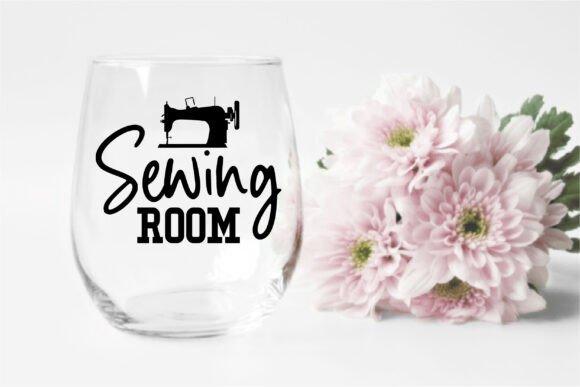
For craft businesses and handmade shops, this design could be a reliable asset. It’s perfect for printable mockups, allowing sellers to showcase the design on various products before production. As a graphics file, it can be easily integrated into digital product previews or social media posts, helping to build brand consistency across platforms.
Where to Be Cautious With Sewing Room
While Sewing Room is versatile, there are some scenarios where it may not perform as well. On small hoop sizes, the design might feel cramped, and intricate details could become lost. If you’re planning to use it on textured or dark fabrics, you’ll want to test the thread color contrast carefully. Thin or stretchy materials may require extra stabilizer to prevent puckering or distortion.
For layered garments or curved surfaces like caps, the design may need some adjustment to fit properly. Tiny lettering or detailed corners could be challenging if the hoop size is too small. Additionally, if the design is going to be used on products that see frequent washing, you’ll want to ensure the stitch density is sufficient to hold up over time.
Impact on Visual Appeal and Customer Perception
Sewing Room has a strong visual appeal that can elevate any project. Its clean lines and balanced composition make it easy to recognize, which is important for brand visibility. When used on a finished product, it adds a sense of professionalism that customers often associate with quality craftsmanship.
For handmade products, this design can help build trust with buyers who are looking for unique, well-crafted items. As a personalized gift, it offers a subtle yet meaningful touch that can be appreciated by recipients. Whether it’s a holiday gift, wedding present, or boutique merchandise, Sewing Room has the potential to enhance the overall value of the item.
Practical Tips for Using Sewing Room
Before committing to a full project, I always recommend testing the design on scrap fabric. This helps identify any issues with stitch density, thread color, or stabilizer needs. If you’re using it on dark fabric, consider adjusting the thread color for better visibility. For commercial embroidery projects, make sure the design is compatible with your machine and that you have the proper licensing to sell finished items.
When creating a printable mockup, check how the design looks in black and white to ensure it remains legible. For small shop products, it’s essential to confirm that the design works well on both personal and commercial projects. Always inspect the small details before stitching, and don’t hesitate to adjust the design if needed for specific applications.
Final Thoughts on Sewing Room
Sewing Room is a solid choice for embroidery designers and crafters looking for a versatile, practical design. It offers a balance of style and usability that can fit into a wide range of projects. Whether you’re creating custom apparel, personalized gifts, or small business merchandise, this design has the potential to add value and appeal to your work.
As with any machine embroidery design, the success of Sewing Room ultimately depends on how well it’s executed. By following best practices and paying attention to detail, you can ensure that the final product meets both your standards and your customers’ expectations.