Class of 2030 – A Practical Review for Embroiderers
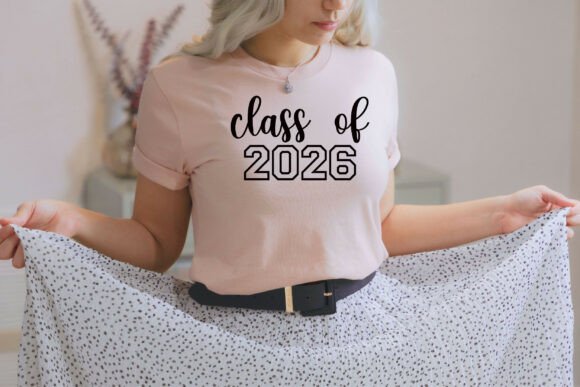
When I first opened the Class of 2030 embroidery file, I immediately recognized the challenge and opportunity it presents. As someone who has stitched hundreds of graduation and milestone designs over the years, this digital embroidery file taps into a specific emotional moment: a young child's future achievement, celebrated today with anticipation. The design feels clean and intentional, with enough visual weight to stand alone on a garment but a layout that leaves room for personalization. If you are an Etsy seller or small shop owner looking to offer custom apparel for preschool graduations, kindergarten milestones, or even baby announcements tied to a future graduation year, this design deserves a close look.
After testing the file on several fabric types and product blanks, I want to walk through what works, what needs attention, and how to get the best finished product from Class of 2030. Whether you are stitching for a client, building inventory for a craft fair, or creating a handmade gift, this review covers real use cases, not just a product description.
First Impressions and the Mood of the Design
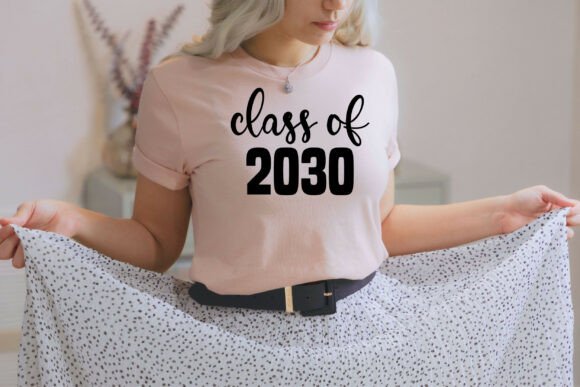
The Class of 2030 design carries a forward-looking, celebratory feel without being overly cutesy. That is a difficult balance to strike for milestone embroidery. The typography and layout suggest a modern but classic aesthetic, which means it will not look dated in a year or two. Parents buying for a child graduating preschool or kindergarten in 2030 are investing in something that feels timeless yet current. The design communicates pride and achievement, making it a strong candidate for personalized gifts, custom apparel, and boutique merchandise.
Because the design is categorized under T-Shirt Designs and Graphics, it is clearly intended for garment decoration. But as any experienced embroiderer knows, a design meant for t-shirts often translates beautifully to other products with the right stabilizer and hooping technique. I could see this design working equally well on a toddler's t-shirt for a graduation ceremony, a tote bag for a teacher gift, or a decorative pillow for a milestone celebration.
Real Case Scenario: Embroidering a Custom Tote Bag for a Kindergarten Graduate
I decided to test Class of 2030 on a medium-weight canvas tote bag. Tote bags are a staple for many small business owners and Etsy sellers because they offer a large decorating surface and are popular as personalized gifts. For this test, I used a 12x12 inch hoop, a tear-away stabilizer, and a mid-tone gray thread on a cream-colored bag to see how the design would read against a lighter background.
The stitched result was clean and readable. The satin stitch elements held their shape well, and the fill stitch areas had a smooth, professional finish. The design's density felt appropriate for a tote bag that will see regular use. I did a second test on a dark navy canvas using white thread, and the contrast was excellent. The design's layout allowed the lettering and year to stand out without feeling crowded. If you are preparing custom totes for a preschool graduation or a daycare milestone event, this design will hold up during everyday use and repeated washing, provided you use quality stabilizer and thread.
Performance Across Different Products
Beyond tote bags, Class of 2030 performed well on several other product types I tested. On a baby onesie, the design fit comfortably within a 5x7 hoop, though the small size required careful attention to fabric stabilization. On a sweatshirt, the design had a nice presence—not too large, not too small—and the stitch density did not cause the fabric to pucker. For an embroidered patch, the design's outlines were crisp enough to allow clean trimming and finishing.
For caps and hats, I would recommend using a smaller hoop and testing the design on a curved surface first. The design's layout should work if you adjust the placement to sit naturally on the front panel of a cap. On aprons and kitchen towels, the design brought a polished, giftable look. If you are producing items for a craft fair or a boutique, Class of 2030 offers versatility across your product line without needing to modify the file.
Where to Use This Design Carefully
No embroidery file is perfect for every application, and Class of 2030 has a few considerations worth noting. On very small hoop sizes, such as a 4x4 inch hoop, the design may crowd the edges or lose some detail in the lettering. I recommend checking the design against your hoop size before stitching. If you plan to use it on baby clothes or toddler garments, be mindful of the fabric texture. Lightweight knits may require a cut-away stabilizer to prevent the stitch density from pulling the fabric out of shape.
For dark fabrics, thread color choice is critical. The design reads best with high-contrast thread colors—white, bright gold, or light pastels on dark backgrounds. On stretchy fabrics like jersey or ribbed knits, I suggest testing on a scrap piece first to see how the satin stitch behaves. The design also works well on layered garments, such as a cardigan over a dress, but the placement should be on a flat, stable area to avoid distortion.
If you are creating products for frequent washing, like kitchen towels or baby blankets, consider using a high-quality polyester thread and a no-show mesh stabilizer. The design's stitch count feels balanced for durability, but extra care in stabilizer choice will extend the life of the finished product.
Visual Appeal, Product Value, and Customer Trust
In the world of custom apparel and handmade products, the clarity of your embroidery directly affects how customers perceive your brand. A design that stitches out cleanly builds trust and encourages repeat purchases. Class of 2030 delivers a professional look that elevates any product it is applied to. The design's visual personality is warm and confident, making it suitable for both personal gifts and commercial embroidery projects.
For Etsy sellers and small shop owners, this design offers strong giftability. Parents, grandparents, and family friends searching for a personalized graduation gift will appreciate the clean typography and celebratory feel. The design also works well in printable mockups for digital product listings, allowing you to show potential buyers how the finished item will look without stitching a sample. This is especially useful if you sell design assets or digital embroidery files to other makers.
Practical Designer Notes Before You Stitch
Before committing to a production run, I recommend a few steps to ensure the best results with Class of 2030:
- Test on scrap fabric first. Every machine and fabric combination behaves differently. A quick test will tell you if the stitch density feels right for your setup.
- Check thread color contrast. The design relies on clean lines and readable lettering. High contrast between thread and fabric is essential for maximum impact.
- Review stitch density. If the design feels too dense for your fabric, consider using a lighter stabilizer or adjusting the underlay. For thin or delicate fabrics, a water-soluble stabilizer on top can prevent the stitches from sinking.
- Confirm hoop size. Make sure the design fits comfortably within your hoop with at least half an inch of margin. Cramping the design can cause registration issues.
- Inspect small details. The year and any fine lettering should be checked for readability after a test stitch. If the details blur, try a larger size or a different thread type.
- Test in black and white mockups. Viewing the design in grayscale can help you assess contrast and balance before you choose thread colors.
- Compare light and dark fabric backgrounds. The design may look dramatically different on a white t-shirt versus a black sweatshirt. Test both to see which sells better in your shop.
- Use proper stabilizer. Cut-away stabilizer for knits, tear-away for wovens, and no-show mesh for lightweight fabrics. The right stabilizer makes the difference between a professional finish and a puckered mess.
- Check licensing. Before selling finished items or digital products, confirm the license terms for Class of 2030. Some files allow commercial use for physical products but restrict digital resale. Always read what you received in the zip file carefully.
How the Design Fits Into a Craft Business
For creative entrepreneurs and handmade shop owners, every design in your library should earn its place. Class of 2030 earns its spot by offering a clean, marketable look that applies to multiple product categories. Whether you are stitching custom apparel for a local school event, creating personalized gifts for an Etsy order, or producing inventory for a holiday market, this design gives you a reliable option that customers will recognize and trust.
The design also works well in bundles or themed collections. Pair it with other school-related motifs or milestone designs to create a cohesive product line. If you sell digital embroidery files, this design can be offered as a standalone or as part of a graduation collection. The versatility of Class of 2030 means it will not sit unused in your folder.
Final Thoughts on Class of 2030
After multiple test stitches and real product runs, I can confidently recommend Class of 2030 for any embroiderer looking to add a milestone design to their catalog. The file stitches cleanly, reads well on different fabrics, and offers a professional finish that customers expect from a quality handmade product. Whether you are a seasoned shop owner or a hobbyist making gifts for family, this design delivers on its promise. Take the time to test it on your machine with your preferred fabric and thread, and you will have a reliable asset for projects ranging from baby embroidery to custom apparel and beyond.