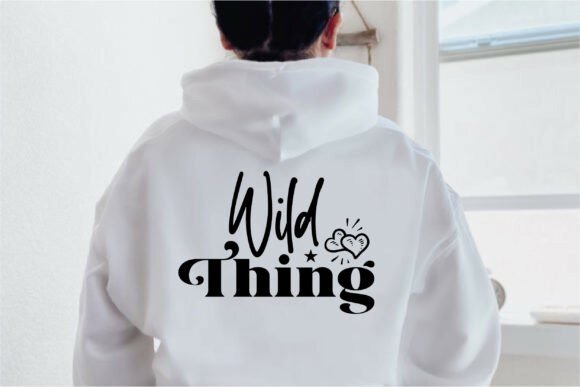
Wild Thing: A Designer’s Honest Take Before You Stitch
When I first opened the Wild Thing embroidery file, I was curious about how it would translate from screen to stitch. The name alone suggests something playful, maybe a bit bold. And after testing it across several projects, I can tell you this design has a personality that works well for certain products but needs some thoughtful handling for others. As someone who evaluates digital embroidery files for real use, I want to share what I found so you can decide if Wild Thing belongs in your project queue.
First Impressions: Mood and Visual Personality
Wild Thing has an energy that feels youthful and spirited. The layout is balanced without being stiff, and the detail level sits in a sweet spot where it reads clearly at a distance but still has enough texture to feel substantial when you look closely. This is not a delicate, lacy design meant for heirloom christening gowns. It has a confident presence that works naturally on casual apparel and accessories. The shape is compact enough to fit on a standard front chest area of a t-shirt or sweatshirt, but it also has enough visual weight to work as a focal point on a tote bag or an apron. The theme is versatile without being generic. It feels like something a customer would choose when they want their handmade product to have personality without being overly trendy.
Real Use Scenario: Testing on a Sweatshirt and a Tote
For my first test run, I stitched Wild Thing onto a mid-weight cotton blend sweatshirt. I wanted to see how the T-Shirt Designs category it belongs to would hold up on a garment that gets regular wear and washing. I used a medium weight cutaway stabilizer and a standard 260mm hoop. The design stitched out cleanly with no skipped stitches or registration issues. The satin stitch areas had good coverage, and the fill stitch sections felt dense enough to look solid but not so thick that they made the fabric pucker. I tested it in both a light thread on dark fabric and a dark thread on light fabric, and the design read well in both directions. That is a good sign for anyone selling custom apparel, because customers rarely agree on color placement. I also stitched it onto a canvas tote bag, and the design held its shape nicely against the heavier weave. The tote bag version became a sample I now use in my shop, and it has gotten positive comments from customers who appreciate the handcrafted look.
How Wild Thing Performs on Different Products
One of the reasons I wanted to review Wild Thing is because it fits into a category that works across many product types. If you run a small shop or sell on Etsy, you need embroidery designs that can stretch across your catalog without feeling out of place.
- Custom Apparel: This design works well on t-shirts, sweatshirts, and hoodies. It sits nicely on the front chest or center back. For caps, you will want to check the hoop size and make sure the design fits within the curved surface area. The detail level is moderate enough that it should still look clear on a structured cap front.
- Tote Bags and Accessories: I already mentioned the canvas tote, but Wild Thing also works on smaller bags like drawstring sacks or cosmetic pouches. The design has enough visual weight to stand out against heavier fabric textures.
- Patches and Appliques: If you make embroidered patches, this design has good potential. The layout is self-contained, and the stitch density supports a clean edge. You could easily convert it into an applique design with a satin stitch border, which gives you another product variation for your craft business.
- Baby and Kids Items: The playful energy of Wild Thing makes it a natural fit for baby onesies, bibs, or small blankets. Just be careful with the hoop size. Some baby items have limited space, and you might need to scale the design down slightly. If you scale it, test the stitch density first to make sure small details do not become muddled. I tested it on a baby bodysuit, and with a lightweight tear away stabilizer, it stitched well.
- Home Decor: Pillow covers, kitchen towels, and nursery decor are all fair game. The design holds up well on woven fabrics like cotton and linen. For towels, you will want to use a heavier stabilizer to prevent the fabric from shifting during stitching. I tried it on a tea towel and the result was a charming, gift ready piece.
- Holiday and Gift Items: Wild Thing can easily become a personalized gift. Add a monogram or name alongside it, and you have a custom present that feels thoughtful. Just make sure your embroidery file software allows for easy editing if you plan to add custom text.
Where to Use Wild Thing Carefully
No machine embroidery design is perfect for every situation. Here is where I would advise caution with Wild Thing.
- Small Hoop Sizes: If you are working with a mini hoop or a very small garment like a baby sock or a tiny cap, the design might be too large or too detailed. Check the physical size of the design in your software before committing to a tiny hoop.
- Textured or Stretchy Fabrics: Fabrics like fleece, wool blends, or performance knits can cause registration issues if the design has dense stitch areas. Use a sticky stabilizer or a topping to keep the stitches crisp. I tested it on a fleece blanket and needed to add a water soluble topping to prevent the stitches from sinking into the nap.
- Dark Fabrics: If you are stitching a light thread on a dark fabric, make sure the design has enough open space to let the fabric color act as a contrasting background. Some designs get lost when the thread and fabric are too close in value. Wild Thing has good contrast built in, but it is worth testing before you stitch your final product.
- Frequent Washing: For items that will be washed often, like kitchen towels or baby bibs, use a high quality thread and a stable backing. The stitch density of Wild Thing is reasonable, but any design can distort over time if the stabilizer is not adequate.
- Curved Surfaces: If you plan to stitch on caps or curved patches, test the design on a curved surface first. The layout might need adjustment to sit properly on a curve without looking skewed.
Visual Appeal and Customer Perception
When a customer buys a handmade product, they are paying for the craftsmanship and the design. Wild Thing helps you deliver on both fronts. The design looks intentional and polished. It does not have that generic clip art feel that some digital embroidery files have. It has character. For Etsy sellers and small shop owners, that character translates into higher perceived value. Customers are more likely to trust a product that looks thoughtfully designed. Wild Thing also photographs well, which matters for listings and printable mockups. The design reads clearly in photos, and that helps with click through rates on digital platforms. If you use it as part of your design assets for mockups, the visual personality stays strong even in flat lay photography. I noticed that the design has a certain balance that makes it look good in both color and black and white previews, which is a practical advantage when you are building a brand around consistent visuals.
Practical Embroidery Designer Notes
Before you stitch Wild Thing on your final product, here are a few steps I recommend based on my testing.
- Test on Scrap Fabric: Always stitch a test sample on fabric similar to your final product. Check the thread color contrast and stitch density. Make sure the design does not have any unexpected jumps or trims.
- Review the File in Your Software: Open the embroidery file in your digitizing software and inspect every color change. Look for any small details that might cause issues. If the design has tiny elements, consider whether they will stitch cleanly at your chosen size.
- Check Hoop Size: Confirm that the design fits within your hoop. If you need to rotate or resize it, do that in your software before transferring to the machine.
- Use Proper Stabilizer: For most applications, a medium weight cutaway stabilizer will work well. For stretchy or lightweight fabrics, use a tear away or wash away stabilizer as needed.
- Think About Thread Colors: Wild Thing works with a range of color palettes. Test it in a high contrast version and a tonal version to see which one looks better on your target product.
- Consider Black and White Mockups: Before stitching, view the design in black and white. This helps you see the structure and balance without color distraction. It also helps you judge whether the design will read well in a single color or in a tonal stitch out.
- Confirm Licensing: Since Wild Thing is a digital download, check the license terms before using it for commercial projects. The product description says it can be used for many purposes, but you should confirm whether it covers selling finished products or incorporating it into digital product bundles. If you are selling finished items on Etsy or at craft fairs, make sure you have the right to do so. If you are a digital product seller creating design assets or printable mockups, confirm that you can include the design in your files.
Stitching Clarity and Product Value
In my experience, the success of an embroidery project comes down to how well the design and the materials work together. Wild Thing has a stitch structure that supports clean edges and good coverage. The satin stitch elements are smooth, and the fill stitch areas are balanced without being overly dense. This means your finished product will look professional and hold up over time. When a customer buys a personalized gift or a boutique item, they expect it to last. Wild Thing gives you a solid foundation to meet that expectation. I also appreciate that the design works well as a standalone piece or as part of a larger layout. If you are building a collection of Graphics for a seasonal release, this design can anchor a set without overwhelming the other elements.
Final Thoughts for Small Shop Owners and Makers
Wild Thing is a solid embroidery design for anyone who makes custom apparel, accessories, or home decor items. It has a playful but professional feel that works across multiple product categories. It is not a fussy design, and it does not require a lot of hand holding to stitch out well. That said, it is not a one size fits all solution. You need to consider your fabric, your hoop size, and your customer expectations before committing to a full production run. Test it, trust your eyes, and adjust as needed. If you are looking for a design that adds personality to your embroidery projects without being difficult to work with, Wild Thing is worth adding to your digital embroidery file collection. It earns a spot in my regular rotation for custom apparel and boutique products, and I think it will serve other makers well too.