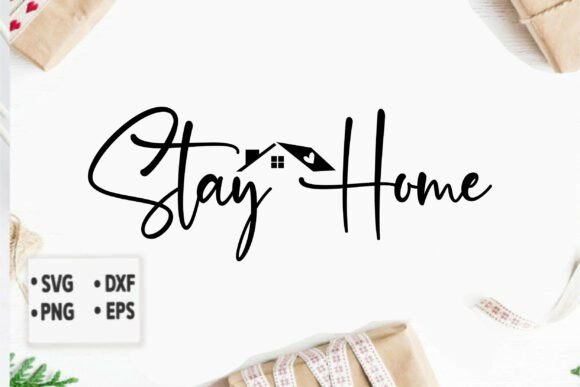
Stay Home Graphics for T-Shirt Designs
As a graphic designer with years of experience in branding, packaging, and digital assets, I often find myself evaluating design resources for real-world client projects. One such asset that caught my attention is Stay Home, a digital download containing a collection of graphics ideal for t-shirt designs and other creative applications. This review explores how Stay Home performs in practical design scenarios and whether it can elevate a project’s visual appeal without compromising professionalism.
First Impressions: A Calm, Cozy Visual Mood
Upon opening the Stay Home file, the first thing that stands out is its relaxed, homey aesthetic. The designs are soft, warm, and subtly detailed—perfect for brands that want to convey comfort, safety, or a sense of retreat. The color palette leans toward muted tones, with gentle gradients and simple shapes that feel approachable and inviting. This makes Stay Home particularly well-suited for handmade businesses, boutique product lines, or seasonal campaigns looking to create a comforting visual identity.
The style is modern yet nostalgic, blending minimalist elements with subtle textures. It’s not overly complex, which means it can work across multiple mediums without feeling cluttered. Whether used as a standalone graphic or part of a larger design concept, Stay Home offers a cohesive visual language that feels intentional and thoughtful.
Real-World Applications: From T-Shirts to Social Media
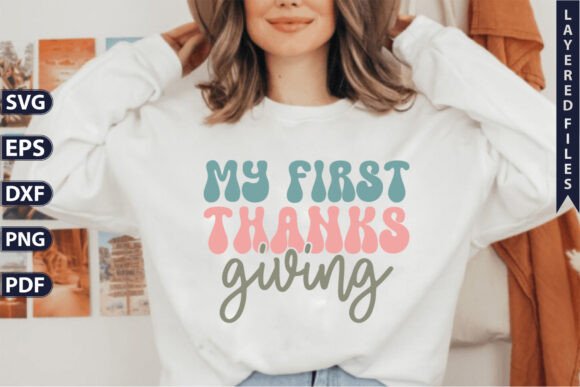
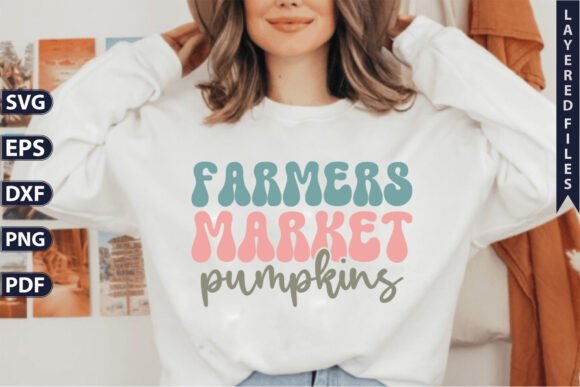
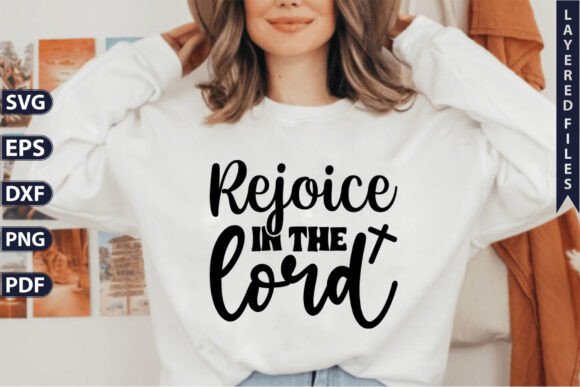
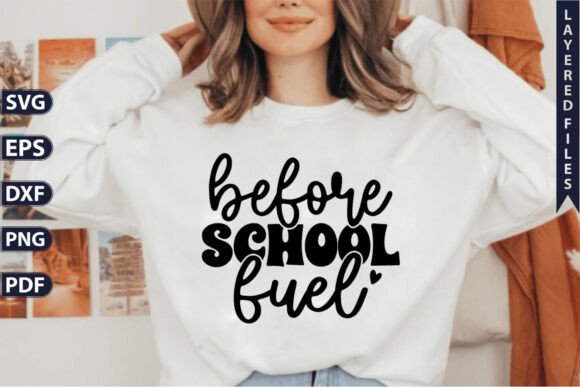
Stay Home shines in a variety of design contexts. For t-shirt designs, the graphics offer a clean, versatile base that can be paired with text, logos, or other elements to create eye-catching apparel. The asset also works well for product labels, packaging design, and promotional materials, especially for small businesses aiming to build a consistent brand image.
In social media graphics, Stay Home can serve as a hero image, background element, or decorative accent. Its simplicity allows it to stand out on platforms like Instagram, Pinterest, and Canva without overwhelming the viewer. For print-on-demand sellers, the asset provides a ready-to-use design that can be customized with minimal effort, making it a valuable addition to a design bundle.
For Cricut users or those working on sticker design, the vector-friendly formats (like SVG) make it easy to scale and edit. Similarly, the PNG versions offer transparency options, which is essential for creating printable wall art or digital ads that need to blend seamlessly into different backgrounds.
Where Stay Home Excels: Large Layouts and Themed Campaigns
Stay Home excels in large layout areas where it can act as a central visual element. Whether it’s a product mockup, a poster, or a website header, the design has enough detail to remain engaging without becoming distracting. It’s also ideal for themed collections, such as holiday campaigns, seasonal promotions, or local event branding, where a unified look is essential.
The asset is particularly effective when used as a decorative accent or supporting brand element. It can add a touch of personality to packaging, marketing visuals, or editorial design without overshadowing the primary message. For small business branding, this makes Stay Home a great tool for reinforcing a brand’s identity through consistent visual elements.
Where to Use With Caution: Minimalist Branding and Complex Backgrounds
While Stay Home is visually appealing, it may not be the best choice for minimalist branding or projects requiring strict visual hierarchy. Its subtle textures and soft edges can get lost in crowded layouts or on low-contrast backgrounds. For professional corporate materials, a more structured and high-contrast design might be more appropriate.
Additionally, if a project requires a very clean, no-nonsense look, Stay Home could feel too whimsical or informal. Designers should consider the tone and audience of the project before incorporating it into a final design.
Design Considerations: Testing and Commercial Use
Before using Stay Home for a client project, it’s important to test it in various scenarios. Print a sample to check quality, preview it at different sizes, and ensure it looks good on both light and dark backgrounds. If the design includes PNG transparency, verify that the edges are clean and suitable for the intended use.
For commercial license compliance, always confirm the terms of use. Some design assets may have restrictions on resale, modification, or distribution, so it’s crucial to understand what you’re allowed to do with Stay Home before applying it to a client’s project.
Another practical tip is to compare Stay Home with different font styles. Pair it with a serif font for a classic look, a sans serif for a modern feel, or a script font for a more personal, handwritten touch. This helps ensure the overall design remains balanced and readable.
Conclusion: A Versatile Asset for Creative Projects
Stay Home is a thoughtful and versatile graphic design asset that can enhance a wide range of projects. Its cozy, approachable style makes it ideal for small business branding, handmade products, and seasonal campaigns. While it may not fit every design need, it offers a unique visual language that can elevate a project’s mood and polish.
For designers, content creators, and digital sellers, Stay Home represents a valuable addition to a creative marketplace toolkit. When used appropriately, it can help create a more engaging and emotionally resonant design experience for clients and audiences alike.